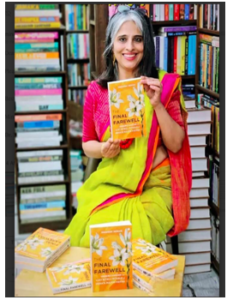
Minakshi Dewan is a researcher and writer with a PhD in Social Medicine and Community Health. Her work with international development organisations spans gender, traditional healing, disability, and food systems. Her debut bestselling non-fiction book, The Final Farewell: Understanding the Last Rites and Rituals of India’s Major Faiths, has been featured in leading Indian and international publications and podcasts, and was nominated for a book award by the Association for the Study of Death and Society (ASDS) in 2025. She has presented her research at prestigious global forums, including the American Anthropological Association and the Death, Dying and Disposal Conference (DDD17).Minakshi’s writing has appeared in The Hindu, Deccan Herald, Devex, The Indian Express, and The Telegraph, and she has also authored a children’s book with Pratham Books. Her views have been featured in Vogue India, The Hindu, and The Times of India. Most recently, she collaborated with Canadian scholars and filmmakers on a documentary about the digital afterlife.
- What made you write this book?
The idea of writing about death began as a deeply personal journey. I lost my father in 2019, and that was my first intimate encounter with last rites and rituals. At the time, I found myself performing them mechanically, without fully understanding their meaning. Yet, certain moments stayed with me. I vividly remember the red, intoxicated eyes of the cremation worker.Later, we travelled to Haridwar to immerse my father’s ashes, where we met the pilgrimage priest and updated our genealogical records—an experience that left a lasting impression on me. Soon after, the COVID-19 pandemic struck, bringing death to the centre stage. As the death toll rose, conversations around death became unavoidable. I realised that there was no single book that explored the many facets of death and its associated rituals. All of this propelled me to research a subject that is often left unspoken.
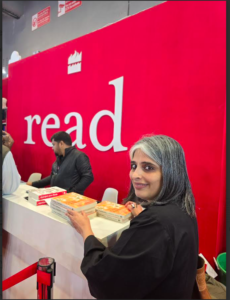
- The Final Farewell-how easy was it to talk about uncomfortable yet interesting rituals and customs?
The experience was both challenging and inspiring. It was difficult to speak with families who had lost loved ones during the COVID-19 pandemic, and listening to accounts of caste-based discrimination in last rites was deeply distressing. It was equally challenging to hear the stories of death workers, who undertake the thankless task of digging graves and tending funeral pyres for meagre wages while risking their health. Other than this, I came across heart-warming stories of volunteers, the COVID-19 warriors, and the good Samaritans who assisted families without caring about their own safety. There was a Sikh gentleman from Delhi who converted his own car into a makeshift ambulance. Then there were young girls in Pune who, without informing their families, stepped forward to assist male staff in cremating the bodies of strangers during the pandemic.
- Was research on this easy?
It wasn’t easy. Listening to stories of death and grief is never simple. I visited crematoriums in Delhi and the burning ghats of Varanasi, interviewing people from different walks of life. It was a lengthy and often tedious process, but people were forthcoming. You do what you have to do. You learn so much when you speak to people. My previous research experience, however, helped me navigate the fieldwork.
- How much time did it take from inception to writing to publishing the book?
It took me a year to research and write the complete manuscript, often burning the midnight oil. Editing the book is a lengthy process once the manuscript is submitted, involving multiple rounds of copy editing and proofreading.
- What’s next was the reaction of your family when they realised what you are writing about?
My family was supportive and forthcoming. However, they were slightly concerned about my well-being—given that death is a difficult subject.
- Were people receptive to talk about something as morbid as death and the passing away of someone near?
Death is a reality, and people were often surprisingly open to speaking about it. What matters is how you approach them and the empathy you bring. It is about building rapport and becoming comfortable with the subject.
- What was the most interesting conversation you had about the book?
There was no single moment—there were many. Learning about death tourism was both new and fascinating, and my conversations with the Parsee priest were equally engaging and insightful.
- What’s next?
I am currently editing my second nonfiction book.
- Please share tips for budding writers.
Read widely—both fiction and non-fiction. Write fearlessly, and remain open to new ideas.
All the Best!