
What’s Next?
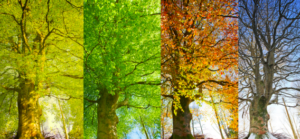
For centuries, our seasons were steady and quite predictable. Farmers planted crops around the monsoons, and winters brought relief from the heat, every season arrived on time. Today, this is no longer the case. Nature is no longer in balance, and we can feel it all around us.
Increasing global temperatures have absolutely changed the natural weather cycles. Summers last longer and are way more intense, while winters are becoming shorter and less severe. Rainfall patterns have also changed. Some regions face flash floods, while others have long droughts. In countries like India, unpredictable monsoons affect agriculture, water resources, infrastructure, and most importantly, our health.
These changes don’t just affect the weather. Glaciers melt, which in turn leads to rising sea levels, heatwaves threaten our health, and ecosystems are destroyed as plants flower earlier and animals migrate at the wrong times.
Reducing the consequences of shifting seasons has to start with cutting greenhouse gas emissions. This can be done by increasing the use of renewable energy, reducing pollution from transport and industry, and protecting forests that help regulate the climate. Sustainable farming and water management can also help.
At the same time, we must adapt to changing weather patterns because some damage has already been done. Climate-proof infrastructure, improved flood control, and early warning systems can significantly reduce damage from extreme events. Strong environmental laws, global cooperation, and responsible individual choices are important to support long-term stability.
These shifting seasons are not just a sign of change—they are a warning that we cannot ignore. The damage is already visible all around, and delaying action will only make the consequences worse. What we do today will decide whether future generations live on a stable planet or a world of everlasting crisis. The time to act is not later.
IT IS NOW !
Aditya Soni, The Doon School