


The annual Rath Yatra of Puri Jagannath stands as one of the most spectacular human congregations on Earth, a spiritual phenomenon where the divine steps out of the inner sanctum to meet the masses. Yet, beneath the vibrant canopy of rolling chariots, rhythmic cymbals, and oceanic crowds lies a complex matrix of economic vitality and environmental vulnerability that reshapes the regional landscape every year. To truly understand the festival is to look beyond the religious fervor and analyze how this massive event dictates the financial survival of millions while simultaneously exerting an extraordinary ecological tax on the coastal ecosystem.
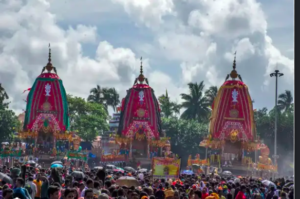
Economically, the festival functions as the primary financial engine for the entire region of coastal Odisha, sustaining an intricate web of livelihoods that would otherwise collapse. The economic ripple effect begins months in advance with traditional artisans, primary carpenters, and weavers who prepare the sacred materials for the grand procession. For the local hospitality sector, the ten-day festival window represents peak financial harvest, where hotels, guest houses, and homestays operate at maximum capacity, often booking out months in advance and commanding premium rates that subsidize their operations during the lean monsoon months. This influx of millions of pilgrims creates an immediate, high-velocity cash economy that directly benefits the lowest rungs of the economic ladder. Street vendors selling clay icons, sacred threads, and local handicrafts see their annual earnings concentrated within these few weeks, while small-scale sweetmeat makers experience unprecedented demand for traditional offerings like Khaja. The transportation network, including regional railways, state-run buses, and private taxi operators, witnesses a monumental surge in ticketing revenue, transforming Puri into a hyper-connected transit hub. On an institutional level, the millions of rupees flowing through temple donations and the state-backed tourism machinery provide the necessary capital for year-round infrastructure upkeep, driving massive civic upgrade projects that enhance roads, sanitation, and public spaces for the permanent residents of the city.

Expanding deeply into the micro-economies, the grand scale of the Rath Yatra fosters a thriving parallel economy centered around traditional textiles and metallurgy. Weavers from nearby clusters like Sambalpur and Maniabandha work tirelessly throughout the preceding year to produce thousands of metres of specialized fabrics used to drape the massive chariots, creating a guaranteed annual market for handloom clusters. Similarly, brass smiths and bell-metal artisans see a massive surge in demand for ritual utensils, cymbals, and commemorative coins, providing a critical buffer against the competition of cheap, factory-made plastic alternatives. The informal labor sector experience a massive influx of employment opportunities, as thousands of temporary workers are hired for crowd management, sanitation drives, event production, and the assembly of massive temporary shelters. Even the agricultural sector in the surrounding rural districts experiences a dramatic supply-chain pull, as tons of milk, ghee, jaggery, rice, and local vegetables are procured daily to prepare the Mahaprasad, the sacred food cooked in the temple kitchens to feed hundreds of thousands of devotees daily, ensuring a direct transfer of wealth from urban pilgrims to rural agrarian households.

However, this massive economic boon comes with a steep, compounding environmental price tag that threatens the long-term sustainability of the region. The most immediate and visible ecological crisis is the staggering volume of solid waste generated over the course of the festivities. Despite municipal efforts, the sudden convergence of millions of people leads to an overwhelming accumulation of single-use plastics, abandoned water bottles, and non-biodegradable food packaging that chokes the city’s drainage systems and spills onto the fragile ecosystem of Puri beach. This massive plastic footprint not only degrades the aesthetic value of the coastal town but also poses a severe threat to local marine life as monsoon rains wash urban runoff directly into the Bay of Bengal. Simultaneously, the atmospheric health of the city suffers a temporary but severe decline. The thousands of heavy tourist buses, private vehicles, and specialized trains required to transport pilgrims emit vast quantities of particulate matter and greenhouse gases, causing localized spikes in air pollution that compromise the coastal air quality index. This atmospheric strain is further exacerbated by the intense noise pollution generated by public address systems, heavy machinery, and continuous vehicular movement, disrupting the local urban wildlife.
Delving further into the ecological challenges, the massive surge in population places an unprecedented strain on the local water table and groundwater infrastructure. The daily extraction of millions of liters of fresh water for drinking, bathing, and sanitation rapidly depletes the shallow coastal aquifers, leading to an increased risk of saltwater intrusion from the adjacent ocean, which can permanently ruin the quality of drinking water for local residents. The existing sewage treatment plants are routinely pushed far beyond their maximum designed capacities, resulting in the accidental discharge of partially treated or untreated wastewater into local water bodies and marshlands, triggering harmful algal blooms and depleting dissolved oxygen levels crucial for aquatic fauna. Furthermore, the sheer physical weight and movement of millions of feet over a concentrated area cause severe soil compaction along the Grand Road and surrounding plains, destroying the natural soil porosity, killing beneficial soil microorganisms, and preventing rainwater infiltration, which drastically worsens urban flash flooding during concurrent monsoon downpours. Perhaps the most culturally unique yet environmentally sensitive aspect of the Rath Yatra is its heavy reliance on natural forest resources.
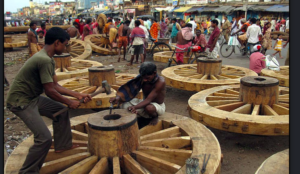
Every year, the grand chariots of Jagannath, Balabhadra, and Subhadra are constructed entirely from scratch, a tradition that demands hundreds of massive timber logs from specific tree species like Phasi, Asan, and Dhaura. While the state government and temple administration operate dedicated plantation programs to offset this annual harvest, the selective logging of mature, slow-growing trees places a continuous, localized strain on the forest reserves of the Mahanadi river basin. The processing of this timber, combined with the temporary infrastructure built to accommodate the floating population, alters local land-use patterns and increases the carbon footprint associated with logging logistics. Ultimately, the Rath Yatra represents a delicate, ongoing negotiation between human prosperity and ecological preservation, serving as a powerful reminder that celebrating ancient heritage in the modern era requires a careful balancing act to ensure that spiritual celebration does not come at the permanent cost of the natural world.