

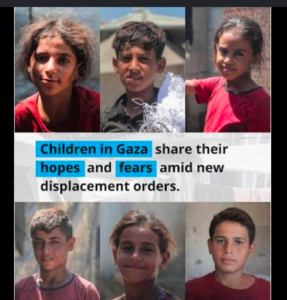
As of 2026 the intersection of war and childhood development has reached a point. About 473 million children. One in every five globally. Live in. Are fleeing from active war zones. This crisis is not a short-term problem but a deep structural issue that affects the basic rights of an entire generation.
Education has become a target instead of a safe place. Between 2024 and 2025 attacks on education increased by 40%. There were over 8,500 incidents globally. The destruction of infrastructure is severe:
- Palestine/Gaza: Over 80% of schools are destroyed. More than 300,000 students cannot access learning.
- Sudan: 90% of schools are closed or inaccessible. This has displaced around 19 million children from the education system.
- Ukraine: Over 900 attacks on schools have been recorded. Global trends show that military use of facilities has doubled.
The need is extreme in some areas. 80% Of out-of-school children in crisis contexts live in 20 high-severity areas.
Modern warfare affects the development of children a lot. Children in conflict settings are prone to ” stress”. A state of continuous stress that can alter their hormonal makeup and permanently impair brain development. In Sudan drone-borne explosives caused 60% of child casualties in 2026. This shows a shift toward impersonal warfare that targets civilians.
The absence of structures increases the risk of grave violations. Out-of-school children are more vulnerable to recruitment by groups, trafficking and early marriage. In regions like Afghanistan, the systematic exclusion of girls from education above grade six is a targeted assault on gender-based rights.
The “learning loss” in crisis settings creates an economic deficit. Research shows that each lost year of schooling correlates to a 10% reduction in individual earnings. At a level the impact is devastating. For example, Syria’s prolonged conflict and the subsequent loss of education for 2.8 million children resulted in an estimated 5.4% reduction in GDP.
Conflict also makes public health crises worse. For every 3,700 battle-related deaths there are 2,500 additional measles cases due to the collapse of vaccination programs and healthcare infrastructure.
To mitigate these losses international efforts focus on the Safe Schools Declaration. Currently 123 states endorse it to deter the use of schools. Innovative solutions like the Instant Network Schools program, in the Democratic Republic of the Congo use learning to bridge gaps. However, without urgent investment to reach the 93 million children out of school the global community risks a permanent “educational exclusion” that fuels cycles of poverty and future instability.