

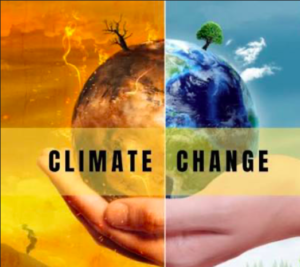
In the rocky mountain ranges, climate change has raised summer temperatures by 0.75 F each decade over the last 30 years. While snow is melting 3-5 days earlier in spring. Wildflowers bloom several days earlier, with peak flowering also occurring earlier. No one knows what this might be for pollinators. In Australia, warmer winters are forcing mountain pygmy possums out of hibernation before than their preys- the Bongong moth, resulting in so many of them starving to death.In Europe, roe deers whose fertility is triggered by the length of days are giving birth after the first flowers wilt away as flowers are blooming earlier. The mismatch of 36 days between birthing and food availability is resulting in a decline in the deer population.

According to one study, the four seasons- spring, summer, fall and winter are all arriving 1.7 days earlier than they did in the preceding years unto 1950. A 2011 study revealed that due to warming temperatures, species are moving to higher elevations at an average rate of 36 feet per decade. The National Wildlife Federation reports that 177 to 305 North American bird species shifted their range further North by 35 miles in the last 40 years and over the last century alone 14 small mammals extended their range by 1640 feet higher in the Sierra Nevada region alone!
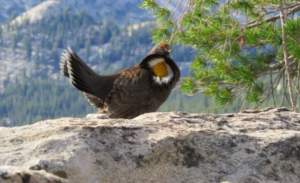
Scientists now believe that climate change is occurring so rapidly for most animals to outrun it seems not just difficult but next to impossible, and even if they are able to migrate northern-ward they could face stiff competition for food and territories and face unprecedented interactions with species they have never encountered before.But there are some ways where we humans can bring about a change. Research has shown that even a small reduction in carbon emissions can make a huge impact to our environment in the way of-
- GREEN HOUSE GAS EMISSIONS
- ENERGY CONSUMPTION
- FOSSIL FUEL RELIANCE
- AIR, NOISE AND WATER POLLUTION
- PAPER AND PLASTIC WASTE

Even if we work two days from home the positive impacts and effects can add unto huge benefits to Mother Earth, as amply proved in the current pandemic. In China alone, in this period from December 2019- April 2020 200 million metric tons of Carbon Dioxide was produced less as compared to January-December 2019. Venice showed greater water flow and visibility of fish in the canals due to less disturbances by boats and sea vessels that disturb the marine life in the canals. Sea turtles across the world are now laying eggs on beaches yet again.We all can learn from this pandemic. The COVID-19 offers us some ray of hope on how to take better care of OUR EARTH by making sure of the 3R’s – REDUCE, REUSE AND RECYCLE in our everyday consumer habits and most importantly RESPECT OUR MOTHER EARTH
Bibliography – W.W.F
Wikipedia