

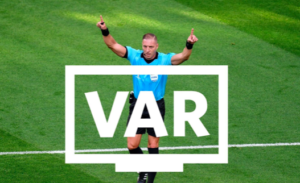
Football has long been celebrated for being an exciting, fast-paced, and often unpredictable sport. But, even the best football officials cannot keep pace with all of the action, especially when there are crucial calls that can ultimately decide games. To ensure that these decisions are made accurately, video assistance has been integrated in the form of Video Assistant Referee technology, or VAR. It uses high-technology video analysis along with a human interpretation.
VAR is essentially a video review system that helps analyse incidents during games and communicate findings to the referee on the pitch. Rather than replace the referee on the pitch, VAR is there as a pair of extra eyes that can assist with decision-making. There is a team made up of the Video Assistant Referee (VAR) and one or more assistant Video Officials in the Video Operation Room (VOR) that watches replays of match events through live, high-definition (HD) video footage coming from a variety of different camera angles, slow motion video, as well as closer shots of events. The VAR team simultaneously review replay footage of any game-changing incidents.

Should the team spot what they deem to be a “clear and obvious error” or a major incident that the referee on the pitch may have missed during the game, they contact the referee via a wireless headset and relay what they see. Depending on the situation, the referee either accept the VAR’s recommendation or can request to go and look at the incident themselves in the Referee Review Area (RRA) near the pitch. In either case, the final decision will always rest with the on-field referee.
VAR technology is only used for the following decision-making processes: Goals (and offences that preceded them), Penalties, Direct Red Card incidents and mistaken identity. This will help keep disruption to a minimum. One of the greatest benefits of VAR is its ability to provide an element of accuracy to some of football’s most contentious decisions, such as:VAR has prevented incorrect offside goals from standing and prevented missed fouls from decided outcomes. WithVAR, all players, coaches, fans can take additional reassurance that important decisions being made aren’t only a split-second decision by an referee on the pitch, but that there is a process to back it up with technology and analysis.
Although VAR does has a lot of benefits, it has not been without its critics. VAR can sometimes take a number of minutes for the replay to be checked, therefore ruining the exciting celebrations of a goals being scored. Moreover, a degree of interpretation is still required, with debates about handball calls and what can and cannot be considered a foul remaining a frequent topic.
At the end of the day, VAR is a groundbreaking new addition to the sport which provides more information, transparency and decision-making support for the on-pitch officials, making it an essential element for future football.