

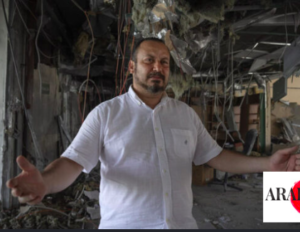
The Dual-Front Witness: Dr. Alaa Shabaan Abu Ghali, a Palestinian physician based in Kyiv, embodies the interconnected nature of global conflict. Having seen his clinic destroyed in Ukraine and his own family members perish in Gaza, he continues to treat patients in Kyiv daily, bridging two war-torn worlds with a commitment to his profession despite his personal trauma.
Emergency Trauma Surgeons: Physicians such as Dr. Aiman, Dr. Feroze Sidhwa, and Dr. Mimi Syed have risked their lives to serve in Gaza’s overwhelmed healthcare system. From performing amputations on toddlers with limited equipment to documenting the catastrophic lack of basic supplies, their testimonies provide crucial evidence of the humanitarian crisis. Dr. Syed’s subsequent advocacy and refusal of re-entry by authorities highlights the high political price often paid by those who speak out about the conditions they observe.
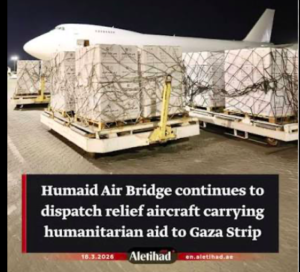
Specialized and Holistic Care: Beyond emergency surgery, healthcare includes specialized intervention and mental health support. UAE medical teams on floating hospitals have performed over 5,000 surgeries and utilized 3D-printing technology for prosthetics, offering a lifeline where land-based systems have collapsed. Simultaneously, collaborations between international volunteers like Dr. Catherine and local professionals like Bashar integrate trauma-informed care—such as yoga and dance therapy—to address the profound mental health scars left on displaced children.
The Humanitarian Mandate
These individuals represent a vital “humanitarian bridge.” Their work is defined not only by surgical precision but by the moral refusal to abandon the injured, even when their own safety is compromised. Whether they are local residents fighting for their own communities or international volunteers navigating dangerous frontlines, their presence ensures that basic healthcare does not completely vanish. Their collective resilience remains the primary defense against the total collapse of medical ethics and care in the world’s most unstable regions. Despite the systematic targeting of healthcare facilities, these practitioners continue to serve as the final guardians of civilian life in the aftermath of modern warfare.