
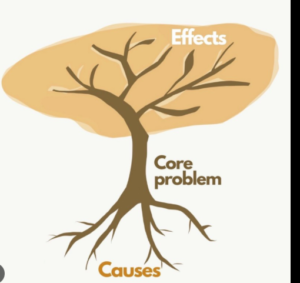
Conflicts rarely have a single cause; they are usually the result of multiple factors overlapping:
-
Inequality and Resource Scarcity: When groups compete for land, water, or wealth, tensions rise. Lack of economic opportunity and high unemployment often create a “social contract” breakdown, where people lose faith in their government’s ability to provide, leading to instability.
-
Political and Ethnic Tensions: Historical grievances, religious differences, or struggles for political power can be manipulated by leaders to divide populations. When groups feel marginalized or threatened, they may turn to violence to protect their identity or gain autonomy.
-
“The Triple-R”: Military scholars often point to a combination of Reasons (ideology or grievances), Resources (the ability to fund or arm a fight), and Resolve (the determination to win). When these elements align, the risk of war increases significantly.
-
Cycles of Violence: War often creates a feedback loop. Once violence begins, it can normalize aggression, fracture trust between neighbors, and leave psychological trauma that persists for generations, making future reconciliation difficult.
Why Is It So Hard to Stop?
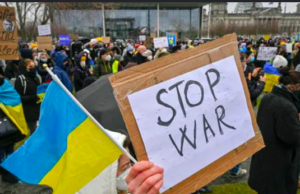
Stopping a war is immensely difficult because it requires trust between enemies who have been harmed by each other. International organizations like the United Nations work to address this through:
-
Preventive Diplomacy: Mediation and “shuttle diplomacy” aim to resolve disputes before they escalate into violence.
-
Peacekeeping and Peacebuilding: Deploying personnel to maintain ceasefires and protect civilians is crucial, but true “peacebuilding” also requires long-term work—such as rebuilding infrastructure, stabilizing economies, and fostering dialogue between fractured communities.
-
Institutional Frameworks: Bodies like the UN Security Council use tools like sanctions or international law to hold aggressors accountable, though these are often complicated by geopolitical interests and the veto power of major world powers.
The Path Toward Peace

Peace is more than just the absence of fighting; it is the presence of justice and opportunity. Individual and collective efforts contribute to this by:
-
Promoting Empathy: Challenging stereotypes and practicing open dialogue helps break down the “us versus them” mentality that fuels conflict.
- Supporting Development: Fighting poverty and climate change is, in many ways, an act of peace. By addressing the root causes of desperation—like hunger or lack of water—societies become more resilient to the manipulation that leads to war.
- Advocacy: Supporting initiatives that promote human rights, education, and equality ensures that differences are settled through negotiation rather than force.