Madhavi Gupta is a seasoned operations leader and dedicated social entrepreneur with over two decades of global corporate leadership experience at Fortune 500 giants like GE Healthcare, Genpact, and Convergys. Driven by a deep personal commitment to neurodiversity and inclusion, she transitioned her extensive background in corporate governance, process excellence, and organizational strategy into the social impact sector.
Today, she serves as the Founder and Director of the Awareness For Inclusion Foundation and its frontline initiative, In For The Cause (IFTC). Leveraging her corporate background, she also serves as an expert POSH (Prevention of Sexual Harassment) committee member for multiple multinational corporations, bridging the gap between corporate compliance and empathetic, human-centric workplace cultures. What is In For The Cause?In For The Cause (IFTC) is a Gurgaon-based non-profit social enterprise dedicated to fostering systemic disability inclusion, professional sensitization, and sustainable livelihood generation.
The organization focuses intensely on supporting individuals with Intellectual and Developmental Disabilities (IDD) and neurodivergent individuals, transforming them from passive recipients of care into active, valued, and economically independent members of society. IFTC achieves this through a dual-pronged approach: professional corporate services (like advocacy workshops and accessibility audits) and a dedicated product line that provides dignified employment.
How did the idea of starting this come about?
The genesis of IFTC is rooted in personal lived experience. Navigating the societal, structural, and professional barriers faced by individuals with developmental and intellectual disabilities highlighted a massive systemic gap in India: the acute lack of transitional support, professional opportunities, and social acceptance for neurodivergent individuals once they reach adulthood.Recognizing that awareness cannot exist in a vacuum without economic empowerment—and vice versa—the foundation was established in 2017. It was built to create an ecosystem where families, institutions, and corporate India collaborate to build structured pathways for individuals who are traditionally left out of the economic mainstream.
What is the ethos and aim?
The Ethos: Dignity over charity, capability over pity, and active contribution over passive isolation. IFTC operates on the belief that inclusion is not a checkbox compliance or a philanthropic favor—it is a fundamental human right and a massive untapped asset for society.The Aim: To sensitize corporate and community mindsets through experiential advocacy, build truly accessible physical and digital spaces, and secure sustainable, independent livelihoods for neurodivergent individuals through structured skill-mapping and collaborative craftsmanship.
How do you manage day-to-day operations?
IFTC’s day-to-day operations are run out of its main hub in Gurugram, structured similarly to a lean, agile corporate operation driven by structured processes:The Inclusive Workshop: A specialized physical space where neurodivergent individuals, interns, and craftspeople collaborate daily to manufacture eco-friendly, sustainable products (such as bamboo items, beeswax crafts, recycled paper goods, and the curated Box of Happiness). Corporate Partnerships & Services: Managing a pipeline of experiential corporate sensitization workshops, corporate social responsibility (CSR) projects, job-mapping consultations, and digital/physical universal design accessibility audits. Community & Peer Support: Running virtual and physical engagement verticals, such as the Moms Know – No Limits support network for mothers and dedicated Sibling Clubs to build resilient family support frameworks.
How did the name come about?
The name “In For The Cause” reflects a conscious choice to move away from patronizing language. It serves as an active, collective call to action. Being “In” means choice, commitment, and alignment. It signals that everyone involved—the individuals with disabilities, their families, volunteering professionals, and corporate partners—is actively invested in the shared “Cause” of shifting societal paradigms from basic integration to true, uncompromising inclusion. Do you feel there needs to be acceptance and conversation about neurodiversity?Absolutely. There is an urgent, massive need to normalize conversations around neurodiversity (such as Autism, ADHD, Down Syndrome, and learning disabilities). Historically, these conditions have been viewed through a medicalized lens of “defects to be cured” or hidden away due to intense societal stigma.Society needs to pivot to a social model of disability, recognizing neurodiversity simply as natural variations in human brain function. Open conversations break down deep-seated biases, eliminate workplace anxiety for neurodivergent employees, and allow families to seek early interventions and support systems without fear of judgment or alienation.
Is India and our spaces designed for physically and mentally challenged people?
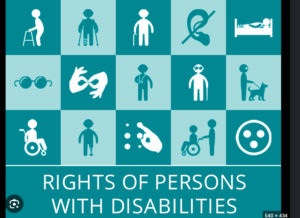
In its current state, generally no—but the needle is slowly moving. While India passed the transformative Rights of Persons with Disabilities (RPwD) Act, the physical and digital execution on the ground still leaves millions isolated.Physical Barriers: Public infrastructure—from pavements, public transport, and government buildings to corporate tech parks—frequently lacks universal design standards like tactile paving, compliant ramps, auditory signals, and accessible restrooms.Cognitive Barriers: Spaces are rarely optimized for individuals with cognitive or intellectual disabilities. The lack of sensory-friendly spaces, clear simplified signage, and quiet zones makes navigating public or corporate domains intensely overwhelming for neurodivergent individuals. Are our schools and communities truly inclusive?While many institutions champion “inclusive education” on paper, true inclusion remains a distant reality for most.In Schools: “Inclusion” is often reduced to mere integration—allowing a child with special needs to sit in a mainstream classroom without modifying the pedagogy, training the teaching staff, providing proper assistive technologies, or adapting the evaluation frameworks.In Communities: True inclusion means a sense of belonging. Right now, neurodivergent individuals and their families still face subtle social ostracization, a lack of inclusive recreational spaces, and limited peer acceptance, which leaves them socially isolated within their own neighborhoods.
What can change and how?
Real change requires moving past passive empathy into structured, Experiential Advocacy:Mandatory Sensitization: Moving away from dry, compliance-based training toward immersive, collaborative corporate and school workshops. For instance, IFTC’s Canvas of Expression pairs corporate employees with differently-abled individuals to co-create art, instantly shattering preconceptions about capability. Strict Universal Auditing: Enforcing rigorous physical and digital accessibility audits across all corporate and civic infrastructures, ensuring spaces strictly adhere to universal design guidelines. Structured Livelihood Models: Shifting corporate hiring from high-volume, low-retention diversity hiring to targeted “Job Mapping”—breaking down organizational roles to match the specific, unique skill sets of neurodivergent professionals. Finally, do you feel our education system needs to be more skill-oriented to create employment for all?Unequivocally, yes. The traditional rote-learning academic model heavily penalizes individuals who learn, think, or process information differently. For individuals with intellectual and developmental disabilities, an academic-only focus creates a steep cliff when they age out of school, leaving them without the practical skills required for the job market.The education framework must integrate alternative, robust vocational and life-skill tracks early on. By focusing on practical, specialized, and talent-aligned skill development—whether in digital execution, sustainable craftsmanship, hospitality, or administrative automation—and backing it with institutional job-mapping, we can transition from an exclusionary system to one that unlocks ecoindependence and dignity for every individual.