


Classics aren’t just dust-collecting oddments in the museum, but are OG*’s, beyond being relics of antiquity, transcending time, they form the foundation of our shared imagination, the thriving expressions rooted in our literary, cultural, philosophical, and artistic traditions. Italo Calvino (Calvino, 125) notably coined “a book that has never finished saying what it has to say.” Their relevance lies in their ability to serve as a specimen vivendi**. While they weren’t created by following secret archetypal formula to check off structural beats, yet they manage to tap into the natural rhythms of storytelling, immerse and engage audiences across generations and locations by striking a chord of resonance, eager to keep turning the pages.
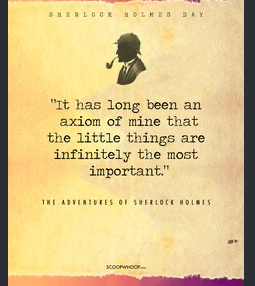
Why do these stories keep pulling us in? Conan Doyle’s The Memoirs of Sherlock Holmes, isn’t just about solving crimes in old British parlours. They make us introspect, pique our curiosity, weave tension, invite investment as each pivotal moment turns the emotional dial higher, ensuring we stay engaged, compelled, and invested in the plot. In today’s world of information overload, their intricate plots and memorable characters implore us to live vicariously in the saga, by getting the reader involved vignettes, small idiosyncrasies of characters and many such hooks. The tenet “the little things are infinitely the most important”, (Conan Doyle, 45) being the veritable glue delve deeply into the minutiae of the make believe.

These time honoured stories are like lanterns, their glow guiding, us as we wander into unfamiliar rooms, hear echoes across centuries, and feel the pulse of human longing and struggle—lives distant yet achingly familiar. In their cwtch***, we uncover the fragile beauty—strength, yearning, vulnerability, learn empathy, compassion, and kinship in the shared poetry of its existence akin to Duchess’s advice to young Black Beauty. “I hope you will grow up gentle and good, and never learn bad ways; do your work with a good will, lift your feet up well when you trot, and never bite or kick even in play” (Sewell,10)
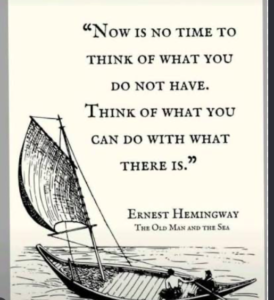
Hemingway’s The Old Man and the Sea glimmers with deceptive simplicity: Santiago, the weathered fisherman, drifts, clasping a vast marlin and wrestles against the sea’s merciless teeth. Recurring themes of perseverance, determination, scaffolding of struggle, buoyed by the timeless rhythm of resilience suck the reader in its vortex, “now is no time to think of what you do not have, think of what you can do with what there is.” (Hemingway, 103)
These masterpieces aren’t just brain ticklers but breathe universal messages echoing through the corridors of history, unravelling love, loss, betrayal, and redemption like seasonal cycles-immutable, whilst the world around us transforms. It reverberates with our journey, reminding that we are part of a greater tapestry, woven with threads of longing and resilience. They challenge the intellect, urging to wrestle with complex ideas, think deeply about the world, enrich vocabulary, sharpen our writing, broaden understanding, making us better prepared to navigate the intricacies of modern life.
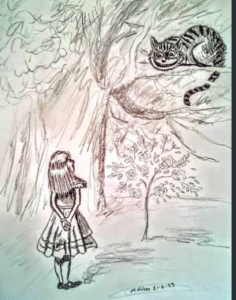
“The cat asked, “Where do you want to go?”
“I don’t know,” Alice answered.
“Then,” said the cat, “it really doesn’t matter, does it?” (Carroll, 54)
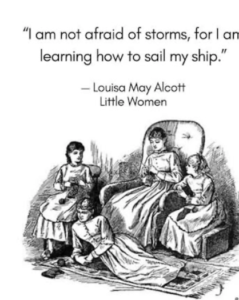
As soup soothes the body, classics comfort the soul. Their timeless themes remind us of others walking the same paths of struggle and triumph, we traverse today. Just like a recipe passed down through generations, they carry the flavours of history and tradition. The voices long gone of the four sisters in Little Women, invite our reflection, offer perspective and mirror our lives while grounding us in shared human experience. “I am not afraid of storms, for I am learning how to sail my ship.”
(May Alcott, Chapter 36).
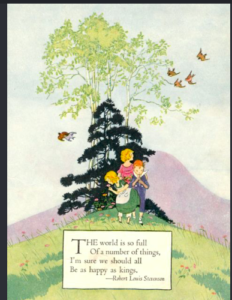
“The more things change, the more they remain constant” aptly sums up the paradox of classics. Technology evolves, cultures shift, but the basic architecture of the human DNA stays the same. Classics remain steady companions in times of uncertainty, a long- lost friend who can understand silences, offer solace and perspective. When the world feels overwhelming, I re-read ‘Happy Thought’and remind myself, “The world is so full of a number of things, I’m sure we should all be as happy as kings.” (Louis Stevenson, page 28)
*OG-Old Guard: someone or something that is an original or originator and especially one that is highly respected or regarded.
** Specimen vivendi- a Latin phrase that translates roughly to a “pattern of living” or “example of life”. It refers to a model, ideal, or concrete example of how to live one’s life—often drawing on enduring moral or philosophical virtues.
*** Cwtch- a profoundly comforting Welsh word meaning a loving hug or cuddle that offers a deep sense of warmth, safety, and emotional security.